Best Foods for ICU Patients Recovering at Home
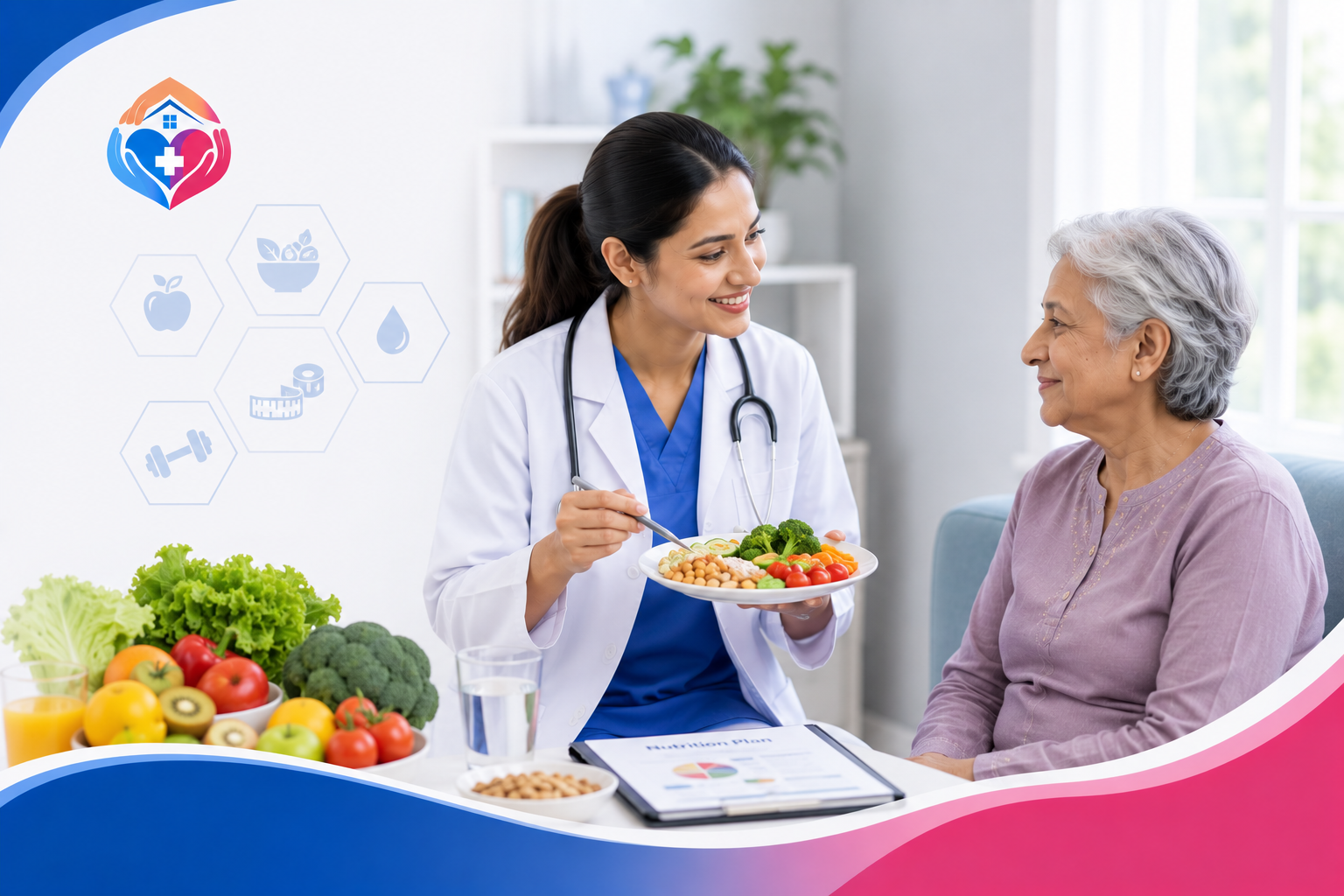
Critical illness induces severe hypermetabolism and catabolism, leading to rapid muscle wasting and compromised immune function. ICU survivors often return home with profound muscle weakness and malnutrition. Consequently, nutritional therapy is a cornerstone of recovery, helping rebuild muscle, heal surgical incisions, and restore strength. However, delivering this nutrition requires clinical care, particularly for patients on tube feeds.
Enteral Feeding Safety (NG and PEG Tubes)
Many patients transitioning from an ICU continue to receive nutrition via a Nasogastric (NG) tube or a Percutaneous Endoscopic Gastrostomy (PEG) tube. To prevent life-threatening complications like aspiration pneumonia, caregivers must adhere to strict protocols:
- Elevate the Head: Keep the patient's head elevated to a 30 to 45-degree angle during feeding and maintain this position for at least 1 hour after the feed is completed.
- Flush Regularly: Flush the tube with 30ml of clean, warm water before and after every feed to prevent blockages.
- Monitor Gastric Residuals: If instructed by the doctor, check residual volume to ensure the stomach is digesting the feed properly before administering the next dose.
Crucial Nutrients for Healing
For patients who are transitioning back to oral diets, meals must be nutrient-dense and easily digestible:
- High-Quality Protein: Essential to halt muscle wasting and rebuild physical strength. Options include eggs, minced chicken, dairy, paneer, and clinical-grade protein powders.
- Vitamin C and Zinc: Essential catalysts for wound healing and tissue regeneration, especially for bedsores or surgical wounds. Citrus fruits, leafy greens, and nuts are excellent sources.
- Omega-3 Fatty Acids: Helps manage systemic inflammation. Found in fish oil, flaxseeds, and walnuts.
Hydration Logs and Glycemic Control
Dehydration or fluid overload is a common risk for recovery. A fluid balance chart monitoring exact intake and urine output is critical, particularly for patients with underlying heart or kidney conditions. Furthermore, stress-induced high blood sugar (hyperglycemia) can delay healing, so blood glucose should be monitored, and diets adjusted to avoid simple sugars and high-glycemic carbohydrates.